

Coronavirus has caused a severe declining in the African economy where many jobs have been disappeared because of the pandemic, and the family income has diminished by 12%. Top of that, the World Bank warns that around 43 million Africans are on the verge of falling into extreme poverty as a consequence of the epidemic.
Dr. Abdullah Abdulrahman Alsumait, “General Manager of the Direct-Aid Society” has highlighted that “the Direct-Aid’s endeavor to support the capabilities and income of poor communities to the level of self-reliance and depending on local resources has led to pay more attention to sustainable development projects that provide work opportunities and empower families economically. And it helps to achieve a direct impact on improving the health, educational and social situation of the African poor villages”.
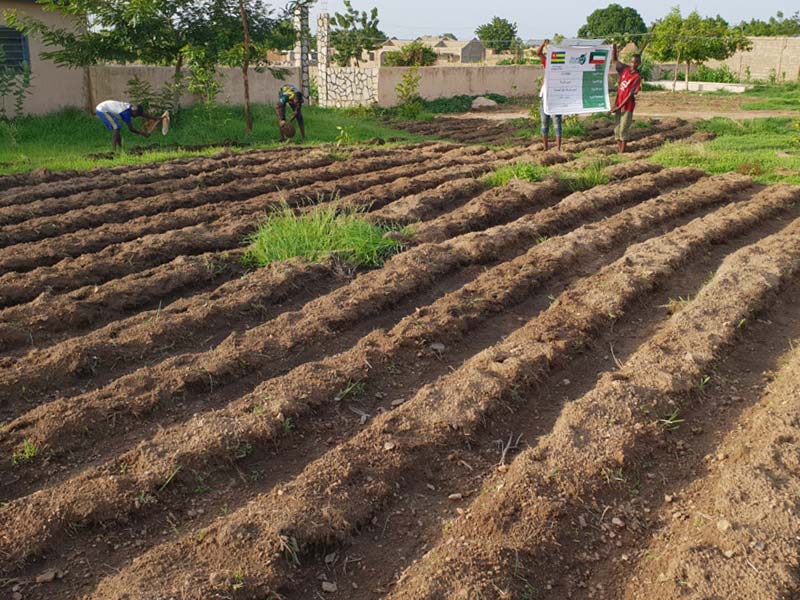
Direct-Aid Society has endeavoured uncommonly to increase its development projects to contribute to reviving the economic situation in Africa. Al Sumait said Direct-Aid Society focused during the last Nov on recovering poor villages programs through conducting developing projects include 14 projects for planting, storing and milling grains in 9 African countries ( Benin – Togo – Conakry – Niger – Guinea – Tanzania – Somalia – Mali – Burkina Faso) to ease reaching grains the whole year for poor villages. The number of beneficiaries is more than 13,500 needy people. In addition, Direct-Aid implemented more than 410 breeding cattle projects for different groups of farmers in poor villages in 8 countries, and the number of beneficiaries exceeded 2300 poor person throughout the last Nov.
It is worth mentioning that Direct-Aid Society aims through its development projects to uplift the efficiency of human resources in terms of acquiring the necessary skills to manage work problems and decision-making. Along with spreading awareness and highlighting the importance of community development among project owners, in order to ensure the sustainability of their projects, and to achieve real progress on the ground. In conjunction with providing professional training for fresh graduates to enhance their technical and mentality capabilities, in order to qualify them for the market in an earlier stage.
Finally, Direct Aid has taken the responsibility of providing integrated development services in the African region and conducting its projects close to the beneficiary impartially without any distinguish. General Manager of the Direct-Aid Society has emphasized also on the importance of focusing on sustainable projects especially in light of the continued impact of the climate change that caused a drought to agricultural and rich environmental areas, which led to an increase in displacement and migrations. Such changes encourage charitable and humanitarian organizations to put more effort into sustainable projects than the express relief intervention to achieve maximum benefit and be able to improve human life in the less fortunate communities.