
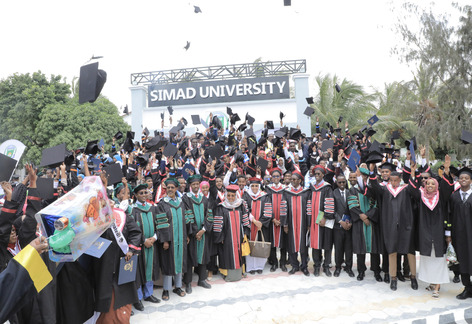

SIMAD University, a leading institution under the Direct Aid Association, has been awarded a prestigious grant from the European Union’s Erasmus+ program to coordinate Somalia’s first-ever EU-funded international project. The initiative, titled READ, aims to strengthen education and research in the field of renewable energy across Sub-Saharan Africa.
This milestone marks a significant recognition of SIMAD University’s growing academic and institutional capacity and highlights the confidence of international partners in Somali higher education institutions. The project represents a transformative step for the country’s academic sector and opens new opportunities for global academic collaboration.
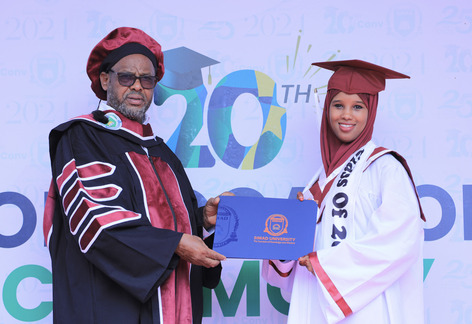
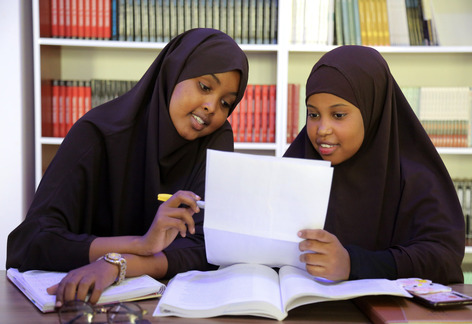
Established in 1999, SIMAD University is one of the most prominent non-profit private universities in Somalia. The university currently offers 27 diverse academic programs and operates nine academic buildings. In 2024, SIMAD ranked first in Somalia according to the Webometrics Ranking of World Universities and seventh in Sub-Saharan Africa in the Times Higher Education rankings—an affirmation of its rising academic standing on both the regional and international levels.
The READ project will focus on designing industry-relevant renewable energy curricula, enhancing the technical, policy, and business skills of students and faculty, promoting evidence-based research and policymaking, supporting green entrepreneurship and community initiatives, and integrating gender equality and sustainable financing models into education strategies.
The project is being implemented through a consortium of eight universities across Europe and Africa, led by SIMAD University. Partner institutions include the University of Casino and Southern Lazio (Italy), Kütahya Dumlupınar University (Turkey), Capital University and Mogadishu University (Somalia), University of Dar es Salaam and St. Augustine University (Tanzania), and the University of Malawi.
READ aligns with key global and regional strategies, including the European Green Deal, the EU’s Global Gateway, the African Union’s Agenda 2063, and the United Nations Sustainable Development Goals.