

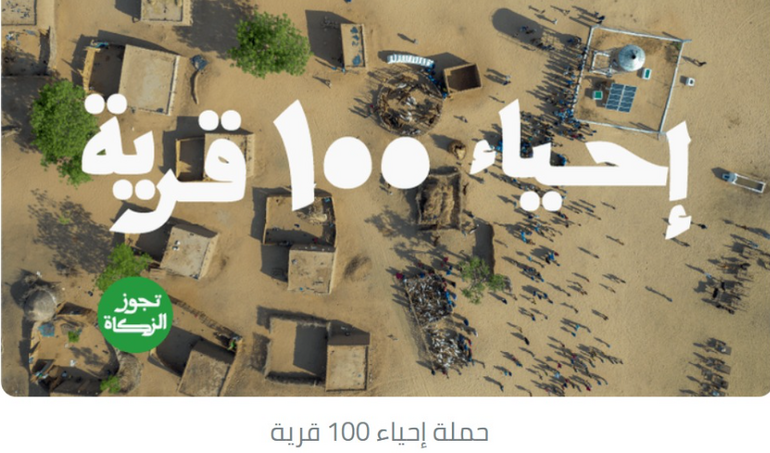
Direct Aid is committed to monitoring the suffering of the people in remote and impoverished African villages, where access to necessities is a daily struggle. Clean drinking water, agricultural land waste, loss of livestock, unemployment, and poverty are just a few of the challenges these communities face. In addition, the scarcity of economic and development projects exacerbates the food insecurity of these villages and their inhabitants. To address this critical situation, Direct Aid is expanding its efforts to drill wells and implement numerous development projects, including service, industrial, and commercial initiatives, focusing on comprehensively reviving remote and poor villages.
Since its inception in 2017, the Poor Villages Revival Project has witnessed remarkable progress. Direct Aid has already rehabilitated 343 poor villages, benefitting over three million people, and aims to revive and develop more villages across Africa. In 2023, the project has developed qualitatively to include health and educational initiatives that will contribute to the development of targeted villages. Direct Aid plans to launch over 100 villages in 25 African countries beginning Friday, 2 Ramadan, during the annual aid season. The total cost of this effort will be $8,675,374, and it will include the following:
- Water Projects: This cornerstone initiative will include 90 small and large artesian wells, enabling access to clean water for the targeted villages.
- Development Projects: Direct Aid will implement 3,895 development projects, including fruit farms, fish farms, raising cows, raising goats, raising poultry, grinding and storing grains, sewing machines, soap factories, operating bakeries, etc., economic projects. These projects are designed to provide sustainable, long-term solutions to low-income families, empowering them to generate suitable incomes throughout the year.
- Educational Projects: This initiative includes 411 educational projects that cover educational grants for university students, vocational training courses, the construction of 11 schools for general education, and a Quranic school. These efforts will help achieve high self-sufficiency rates and gradually dispense with foreign aid.
- Health Projects: This initiative includes 110 health projects, such as constructing ten dispensaries, 100 medical convoys, and vaccination campaigns. The goal is to combat the spread of diseases and epidemics in Africa, provide a decent life for people, and transform those unable to work into productive members of their communities.
Direct Aid’s village revitalization projects focus on forming cooperative associations among village families to implement development projects that address their basic needs. The local development supervisor oversees project implementation, and the projects are combined in one geographical setting representing a market for the village residents. This approach facilitates supervision and follow-up, and water projects are located in areas that are easily accessible to all residents of the village. In addition, a committee of people is responsible for preserving the well from misuse and water waste. Direct Aid also provides training to manage these projects, ensuring their success and periodic evaluation.
Direct Aid’s vision is to raise empowerment in African societies. The organization aims to change the lives of thousands to a better reality by reviving and developing more villages in need across Africa.