
Tunisia faces significant challenges related to water resources, with the annual renewable water share per capita estimated at around 400 cubic meters—well below the international water poverty threshold of 1,000 cubic meters per person per year.
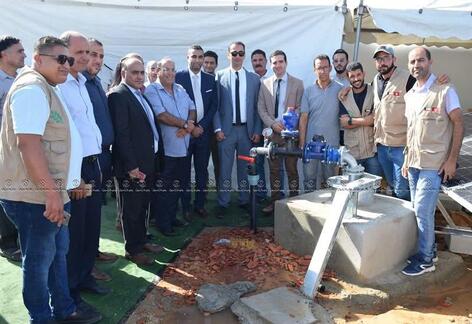
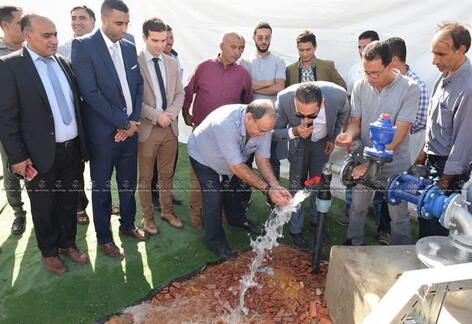
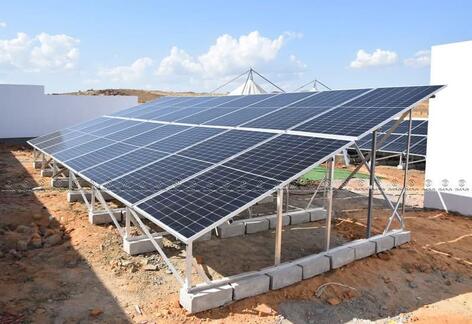
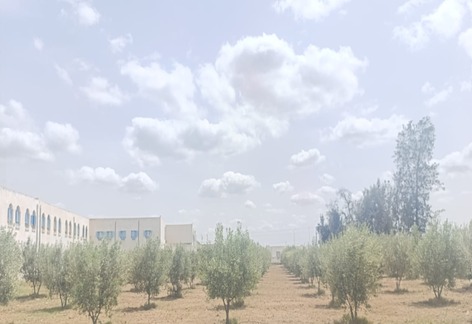
In response to this pressing issue, Direct Aid Association has implemented targeted water projects aimed at supporting marginalized rural communities. In a local school in the Kairouan governorate, the association drilled and equipped an artesian well that irrigates over 300 olive trees. This project is expected to generate an annual income of approximately €15,000. Additionally, the water pumping system was connected to the national power grid and supplemented with a hybrid solar energy system, reducing the school’s electricity bill from €4,500 to less than €1,500 annually.
In Bouarada, one of the areas most severely affected by water shortages, the association is working to link a strategic well to the national water company’s network to eliminate frequent supply interruptions and improve coverage for over 20,000 residents.
Furthermore, Direct Aid has held consultations with the Ministry of Agriculture and relevant water authorities to discuss major projects, including dam construction and well drilling in critical locations. The association is currently finalizing a national cooperation agreement to enhance its operational effectiveness and overcome administrative obstacles.